An “Invasive” species is an introduced species that can 1, spread from its original introduced site and 2, has the potential to harm the environment or human health.
Bird Of Petty's
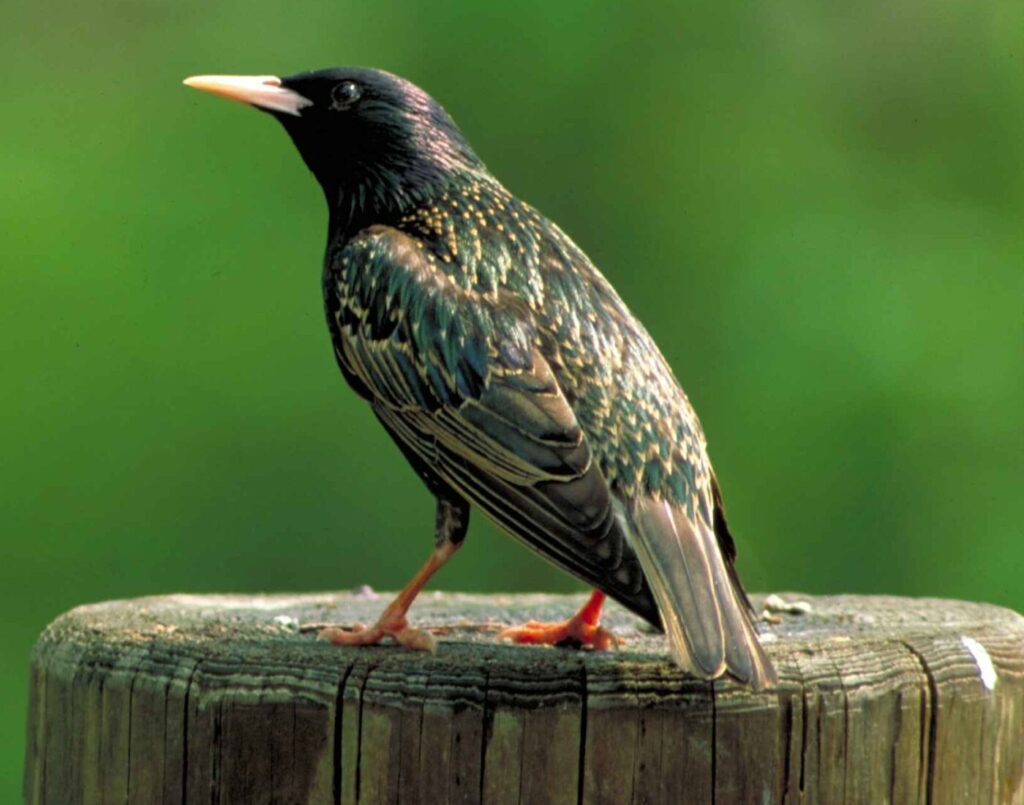
European Starling
This beautiful bird is the European Starling. You may have seen this bird before, as they are easily found here in New Jersey. However, they are originally native to Europe and some parts of Asia. They were introduced here in the 19th century and have become one of the largest populations of songbirds in North America. What makes them invasive, however, is how they behave; they are aggressive towards other native birds like blue jays and woodpeckers, and outcompete them while also removing them from their nests. Usually, this battle for a home ends with the Starling killing the competition. Along with this, they produce multiple offspring, breeding multiple times a year, allowing for large flocks of them to dominate any area they visit, and this includes areas with active human settlement, as they have grown to tolerate these environments.
The House Sparrow is another commonly seen bird; they are usually found in backyards, parks, and near human populations. They are native to parts of Europe, Asia, and around the Mediterranean Sea. They were originally here for pest control in the 19th century, but quickly lost their popularity as they began to interfere with their environment. These birds are also very aggressive, defending their nests and pushing out other native bird species. They like to enter buildings, work, and school, and will nest near or on these buildings. This leads to the disturbance of near by communities as they are very loud, especially during the early mornings; their nests can clog drains, gutters, and more. And finally, these invasive creatures’ droppings contain uric acid, which can actually chip away the paint on cars or other buildings.
House Sparrow
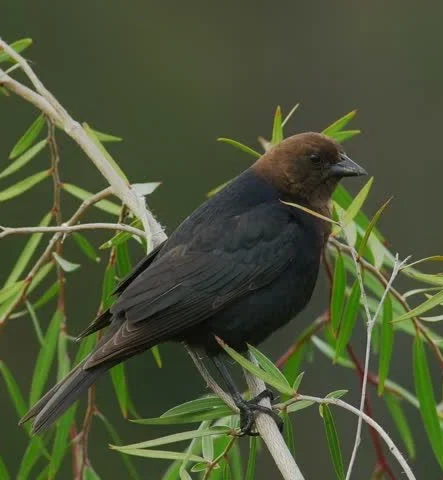
Brown-headed Cowbird
The Brown-headed Cowbird is an interesting member of this list; it is not invasive in the same way as the house sparrow or starling. The Cowbird is native to subtropical North America; however, as they previously followed bison on their migration, they would leave their eggs in other birds’ nests, sometimes sabotaging those birds’ eggs to ensure the survival of their young. Although they don’t invade human populations, they invade other birds’ nests, killing the young of other songbird species, which has been found to impact the decline of certain endangered bird species.
Reptiles
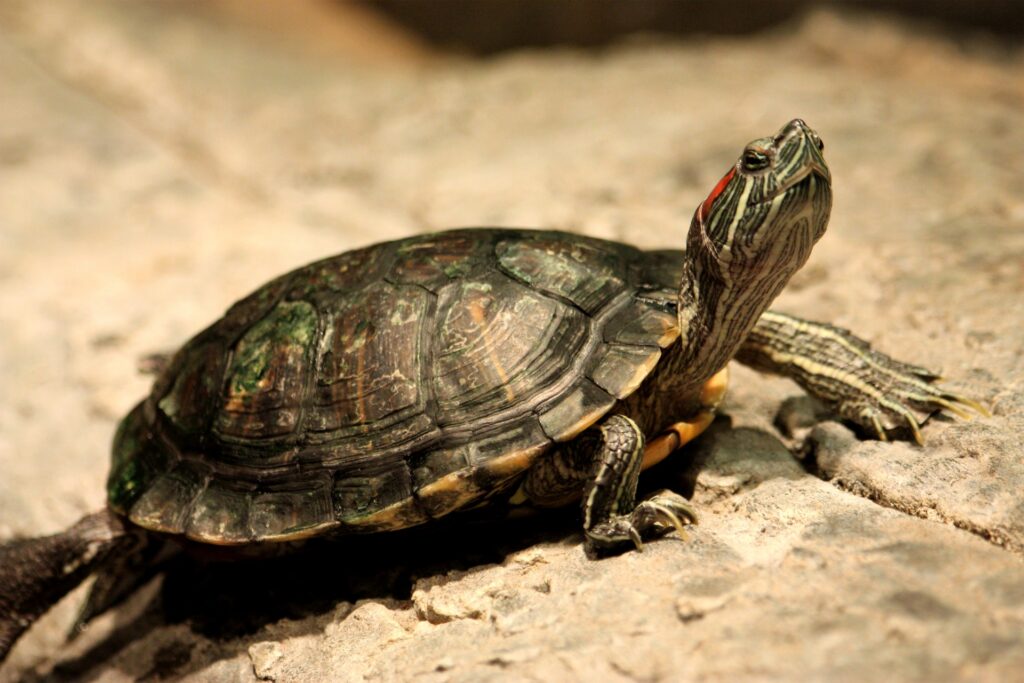
The Red Eared slider sits alone in the Reptile section, as it is the only invasive reptile on the island. They are originally native to the southern United States and Northern Mexico near the Gulf and the Mississippi River. Their original spread up north began when they started being collected as pets illegally, which caused them to enter other environments. These turtles are aggressive towards other native species and will outcompete them for food and shelter, causing an overpopulation of Red Eared Sliders, pushing out other native species, and causing an imbalance to the ecosystem. They will also eat away at aquatic vegetation, allowing for excess algae to grow, decreasing the oxygen in the water, and changing the water quality, which can all cause the collapse of an ecosystem.
Red-eared Slider
Insects
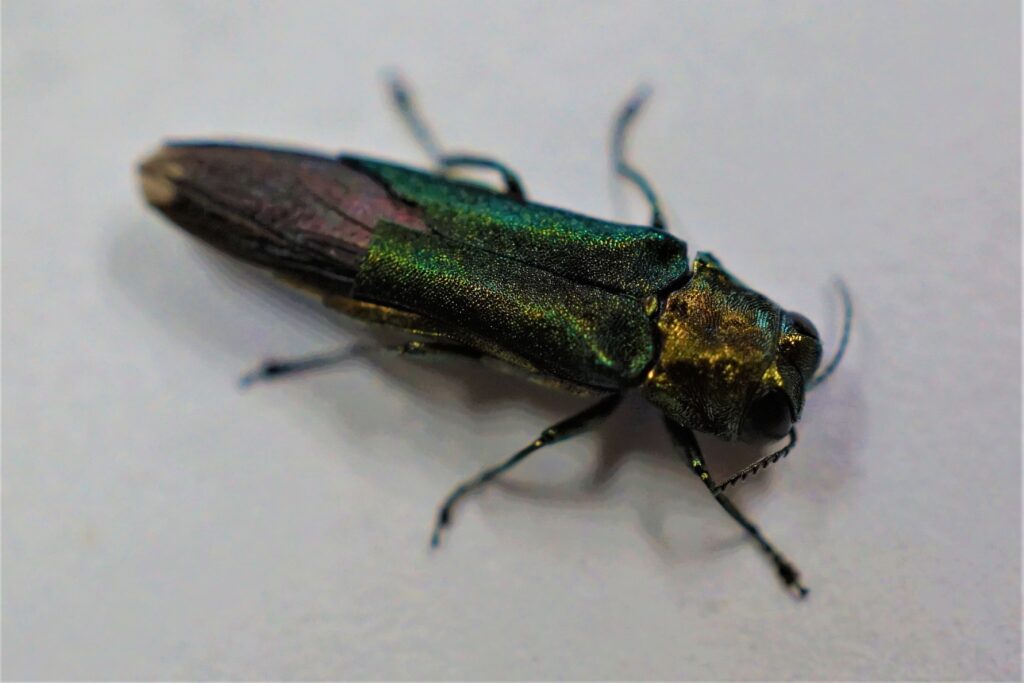
Emerald Ash Borer
The Emerald Ash Borer, while pretty in its iridescent green color, is invasive to North America. They are native to Asia, specifically eastern Russia, Northern China, Korea, and Japan. They are invasive due to their impact on the decline of Ash Trees in North America. An Ash tree is a tree that is found across the continent and is generally very large, reaching as high as 80 ft high and with a canopy of 50 ft wide. These Ashe Borers lay eggs within the bark of the tree, and as the eggs hatch, the larvae burrow into the tree to feed on it, which causes damage to the tree, eventually leading to the tree’s death. They have contributed to millions of Ash Tree deaths and have rapidly increased their decline. This in itself can lead to unstable environments and ecosystems, as Trees provide homes, oxygen, food, and so much more to their environment.
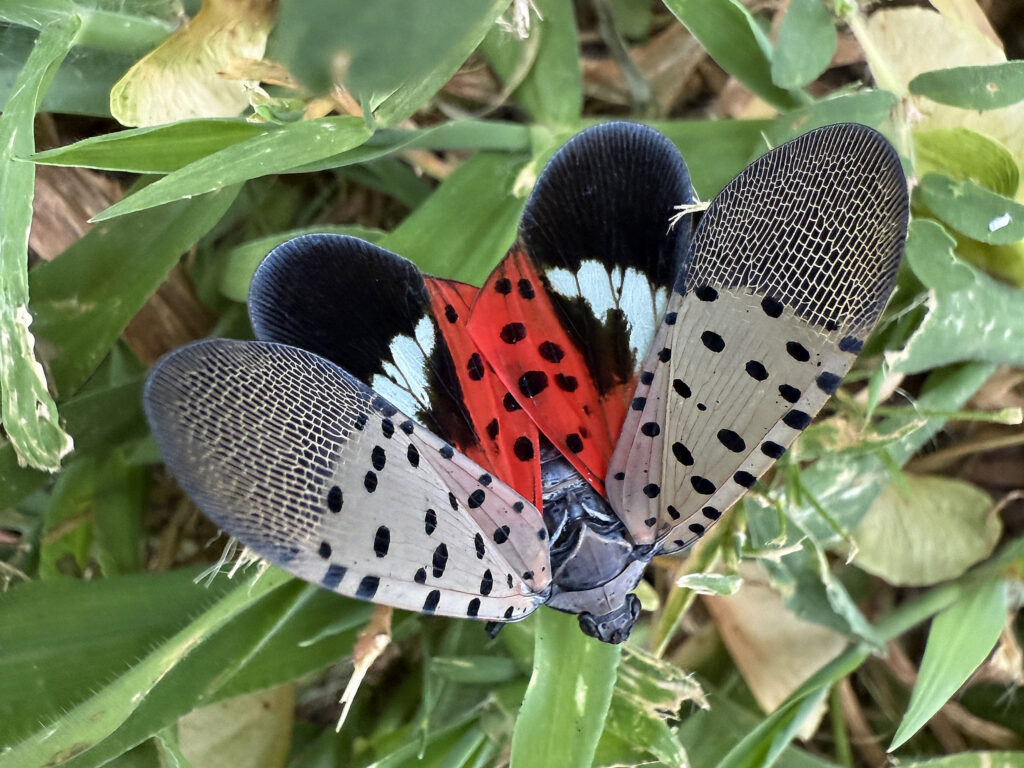
Spotted Lanternfly has become very popular in the past few years, as they have been seen in abundance in North America. You may already know they are invasive, as many different groups and sources have spread awareness about their invasive presence here; however, have you ever wondered why? These small creatures will pierce plant stems in order to feed on the plant’s sap. Unfortunately for the plant, this weakens it, often leading to its death. The Lanternfly feeds on over 100 different species of plants, making its impact on plant health that much larger, especially when we think about the health and quality of our crops and produce. They also produce large amounts of honeydew due to their diet, which can cause sooty mold or fungus to grow, usually at the base of trees. While no harm is done with this, in large amounts, the mold and fungus can block the amount of sunlight the tree receives.